

Most brands don’t need a full rebrand. They need a refresh. The distinction matters more than most business leaders realize — a full rebrand can cost upward of $500,000 and carries real risk of erasing years of hard-won brand equity. A strategic brand refresh modernizes your presence while protecting what already works.
Somewhere between “our brand feels a little dated” and “let’s blow everything up and start over,” there’s a smarter decision waiting to be made.
Most brands don’t need a full rebrand. They need a refresh. The difference isn’t just semantic — it’s the gap between a $50,000 investment and a $500,000 one, between preserving recognition and gambling it away. In 2026, the brands staying relevant aren’t the ones reinventing themselves every few years. They’re the ones evolving deliberately, continuously, and without losing what made them trusted in the first place.
Here’s how to tell the difference, and how to execute a refresh that works.
Refresh vs. Rebrand: Know the Difference
A full rebrand means starting from scratch. New name, new logo, new positioning, new messaging architecture. It’s expensive (enterprise rebrands routinely run $200,000 to $1 million+), time-consuming, and carries significant risk. Research from Reboot Online found that roughly 45% of major rebrands fail to improve brand perception — and some actively damage it. Gap’s 2010 logo disaster is the textbook case: a $100 million rebrand attempt that lasted six days before public backlash forced a reversal.
A brand refresh is something else entirely. It modernizes your visual identity, refines your messaging, and evolves the customer experience — all while preserving the core equity you’ve already built. Think of it as updating your wardrobe rather than changing your personality. Refreshes typically cost 60 to 80% less than full rebrands and carry far lower risk because you’re building on a foundation that already has recognition and trust baked in.
The trap many businesses fall into is listening to consultants who treat “rebrand” as a default solution. If your brand has genuine recognition in your market, scrapping it is rarely the right call. The question to ask first: is the problem the brand itself, or just how it’s being expressed?
You need a full rebrand when:
Your brand reputation is genuinely damaged and recovery isn’t realistic
Your business model has fundamentally changed
A merger or acquisition requires a unified identity
Your current brand actively repels the audience you’re trying to reach
In every other scenario, a refresh is almost certainly the smarter, more cost-effective path.
The Five Pillars of a Successful Brand Refresh
1. Engage with New Ideas
Static content is losing ground fast. Interactive experiences — quizzes, polls, AR try-ons, gamified onboarding — give audiences a reason to spend time with your brand rather than scroll past it.
Moroccanoil’s personalized hair quiz is a strong example: it drives engagement, generates first-party data, and positions the brand as a helpful advisor rather than just a product seller. Live events and community-driven content work the same way. The goal is participation, not just exposure.
2. Leverage User-Generated Content
UGC is one of the most underused assets in brand strategy. According to Nielsen, 92% of consumers trust peer recommendations over brand messaging. In 2026, with ad fatigue at record levels, customer testimonials, photos, and videos carry more persuasive weight than any campaign you could produce internally.
The practical upside: UGC amplifies your reach with minimal incremental cost. Your customers become your marketing team. Build systems that make it easy for them to share — and that make their content visible.
3. Treat Your Brand as an Evolving Entity
The biggest mindset shift in modern brand strategy is moving from “brand as fixed asset” to “brand as living relationship.” Your core values don’t change. Your purpose doesn’t change. But the visual and verbal expression of those values should adapt as culture, technology, and your audience evolve. Brands that schedule periodic, intentional evolution stay current without ever triggering the disorientation that comes from sudden, dramatic change.
4. Modernize Visuals Strategically
A visual refresh doesn’t mean redesigning everything. It means refining what’s working and updating what’s holding you back. Logo refinement (not replacement), updated typography, a refreshed color palette that works across digital environments — these are the levers that make a brand feel current without sacrificing recognition.
Apple has done this for decades: the core identity remains unmistakable while the visual expression continuously evolves. Contrast that with Radio Shack’s 2014 rebrand to “The Shack,” which tried to signal modernity but stripped away the only thing keeping the brand relevant to its remaining customers.
5. Prioritize Customer Experience
Visual identity is only as strong as the experience that surrounds it. A refreshed logo means nothing if your website is slow, your checkout process is frustrating, or your customer service creates friction. Brand identity in 2026 extends into every touchpoint: the speed of your site, the clarity of your onboarding, the tone of your support emails. Frictionless experiences create advocates. Frustrating ones create churn, regardless of how polished the branding looks.
A visual brand refresh doesn’t mean redesigning everything. It means refining what’s working and updating what’s holding you back.
Why UGC and Experience Matter More Than Ever
Trust in traditional advertising has been declining for years. In 2026, it’s at a historic low. Edelman’s Trust Barometer consistently shows that consumers trust “people like me” far more than brand communications — by a margin that now exceeds 3 to 1 in most categories.
This has a direct strategic implication: your brand’s credibility is increasingly determined by what your customers say about you, not what you say about yourself. UGC isn’t just a content tactic. It’s a trust infrastructure.
The experience dimension is equally critical. Consider two competitors: one with a beautifully refreshed visual identity and a clunky, slow digital experience; the other with modest visuals and a frictionless, intuitive customer journey. The second brand builds loyalty. The first one generates bounce rates.
This is why the most effective brand refresh strategies in 2026 treat CX as a brand asset, not an operational afterthought. Every interaction is a brand moment. The brands that understand this are the ones compounding trust over time.
The Decision Framework: Refresh or Rebrand?
Before committing to either path, run through this quick self-assessment:
Choose a brand refresh when:
Your core brand equity is strong but visuals feel dated
You’re expanding to new audiences while retaining existing ones
Budget and timeline are real constraints
Your brand has meaningful recognition worth protecting
Choose a full rebrand when:
Brand reputation has been damaged beyond repair
Your business model has fundamentally changed
A merger or acquisition demands a unified identity
Your current brand actively repels your target audience
There is no meaningful equity left to preserve
If you checked three or more boxes in the refresh column, you almost certainly don’t need a full rebrand. You need a strategic refresh executed with discipline.
Evolution, Not Revolution
Branding is an ongoing relationship, not a one-time project. The brands that stay relevant don’t reinvent themselves every few years. They evolve continuously, staying true to their core while adapting how that core is expressed.
The most expensive branding mistake isn’t a bad logo. It’s throwing away years of accumulated trust because someone convinced you that starting over was the only option.
If your brand feels like it’s falling behind, the answer is almost always evolution. Start with a clear-eyed audit of what’s working, what’s dated, and where the experience is creating friction. Build from there.
At Bright Nation, we help business leaders make this call with confidence — and then execute refreshes that protect equity while driving measurable growth. If you’re weighing a brand evolution, let’s talk before you commit to a path that costs more than it needs to.
Ready to refresh your brand the right way? Connect with Bright Nation today.
Article Tag: Digital Marketing
The Best Marketing Tools for 2026: Real Examples, Honest Reviews, and ROI Data

Every year, the marketing tools landscape gets noisier. In 2026, the real competitive edge isn’t how many tools you’re running—it’s how well they work together.
By now, you’ve heard the pitch a hundred times. “AI-powered.” “All-in-one.” “The only platform you’ll ever need.” The marketing tools industry has been shouting so loudly that most business leaders have developed a healthy skepticism—and rightfully so.
In 2026, the challenge isn’t finding tools. It’s knowing which ones actually move the needle for your business, how they fit together, and whether the price tag is justified by the return. AI fatigue is real. Marketers are drowning in dashboards and underdelivering on results, not because the tools are bad, but because the strategy connecting them is missing.
This guide is different. No fluff, no affiliate-driven rankings. Just an honest, category-by-category breakdown of the best marketing tools 2026 has to offer, with real examples, pricing context, and the catches you need to know before you sign a contract.
AI Content and Strategy: Speed Without Sacrificing Quality
AI content tools have matured significantly. The question is no longer “can AI write content?” but “can it write your content?”
Jasper AI remains a strong choice for marketing teams producing high volumes of long-form content. Its brand voice training feature has improved considerably, and teams using it consistently report 40–60% faster content production. One B2B SaaS company reduced their blog production cycle from three weeks to five days using Jasper paired with a human editor, while maintaining their editorial quality standards.
Claude for Business (Anthropic) has carved out a strong position for nuanced, research-heavy content. It handles complex topics with more contextual awareness than many competitors, making it particularly useful for thought leadership and technical writing.
Canva Magic Studio is the go-to for teams that need visual content at scale. It’s not just a design tool anymore—the AI features handle everything from social graphics to presentation decks, and the pricing is genuinely SMB-friendly starting around $13/month per user.
ChatGPT Enterprise suits larger organizations needing privacy compliance and customization. Pricing starts around $30/user/month with volume discounts for larger teams.
The catch: AI content fails when there’s no brand voice training and no human review process. Generic output is the most common complaint, and it’s almost always a workflow problem, not a tool problem. Budget for an editor alongside your AI subscription.
CRM and Customer Data Platforms: Where Personalization Pays Off
The 2026 CRM landscape is being shaped by one dominant trend: Zero-Party Data. As third-party cookies continue their decline, the brands winning on personalization are the ones collecting data directly from customers through surveys, preference centers, and interactive content.
HubSpot CRM is still the entry point most SMBs choose, and for good reason. The free tier is genuinely useful, and the platform scales well up to mid-market. A mid-sized professional services firm using HubSpot’s personalization sequences reported a 34% improvement in lead-to-close conversion after implementing behavior-triggered email workflows. The catch: costs escalate quickly once you move into Marketing Hub Pro or Enterprise tiers, and many businesses are surprised by the jump from $800/month to $3,200/month.
Salesforce Einstein is the enterprise standard, and its AI-driven lead scoring and predictive analytics are genuinely powerful. The catch is implementation. A realistic Salesforce rollout for a company with 50+ sales reps requires significant technical resources and often a dedicated admin. Budget 3–6 months for full adoption.
Zoho CRM Plus is the underrated option for growing SMBs. At around $57/user/month, it bundles CRM, marketing automation, and analytics in a way that competes well above its price point.
2026 trend to watch: Privacy-First Marketing isn’t optional anymore. Build Zero-Party Data collection into your CRM strategy from day one.
Analytics and Attribution: Knowing What’s Actually Working
Attribution is where most marketing budgets leak. Companies routinely discover that 20–30% of their perceived high-performing channels are actually being credited for conversions driven elsewhere.
Google Analytics 4 is free and non-negotiable as a baseline. Its cross-device tracking has improved, which matters given that over 70% of purchase journeys now involve at least two devices. The catch: GA4’s interface still has a steep learning curve, and the shift from Universal Analytics left many teams with data gaps they haven’t fully resolved.
Mixpanel is the right choice for product-led growth businesses and SaaS companies tracking in-app behavior. One e-commerce brand used Mixpanel’s funnel analysis to identify a checkout drop-off point that was costing them an estimated $180,000 annually. Fixing a single UX issue recovered 22% of those lost conversions within 60 days. The catch: pricing scales with event volume, and high-traffic sites can find themselves paying $1,000+/month quickly.
Amplitude competes directly with Mixpanel and is particularly strong for teams that need behavioral cohort analysis. Its free tier is generous for early-stage companies.
Social Media Management: Scheduling Smarter, Not More
Hootsuite is the enterprise standard for social management, supporting large teams with approval workflows and robust reporting. Sprout Social is the premium alternative, with better analytics and a cleaner interface, though it comes at a higher price point (starting around $249/month). Later is the visual-first option, particularly popular with e-commerce and lifestyle brands managing Instagram and Pinterest.
A retail brand using Sprout Social’s optimal send-time feature reported a 28% increase in average post engagement after shifting from intuition-based scheduling to data-driven timing.
The catch: Tool fatigue is real in social management. When every channel, every approval, and every comment routes through one platform, the bottleneck shifts from execution to the tool itself. Centralization is valuable up to a point—beyond that, it slows teams down.
2026 trend: Multi-platform video content is no longer optional. Short-form video now drives the majority of organic reach across LinkedIn, Instagram, and TikTok. Your social tool needs to handle video natively.
Let’s get started! Contact us today to discover how we can help.
Marketing Automation: ROI Lives in the Sequences
Abandoned cart automation alone generates an average return of $5.81 for every $1 spent, according to industry benchmarks. That number is why automation belongs at the core of any e-commerce marketing strategy.
Klaviyo is the e-commerce automation standard. Its deep integration with Shopify and its pre-built flow library make it genuinely fast to deploy. SMB pricing starts around $45/month for up to 1,000 contacts.
ActiveCampaign is the best all-around automation platform for service businesses and B2B companies. Its visual automation builder is intuitive, and the CRM integration reduces the need for a separate tool. Plans start around $49/month for SMBs.
Salesforce Pardot (now rebranded as Marketing Cloud Account Engagement) is the enterprise option, best suited for companies already in the Salesforce ecosystem. Expect to invest $1,250+/month and significant setup time.
The catch: Over-automation is a genuine risk. When every interaction is triggered and templated, customers notice. The most effective automation strategies build in personalization triggers and human touchpoints at high-value moments.
Conversational Marketing and AI Chat: Qualifying Faster
A SaaS company implementing Drift for inbound lead qualification reported a 40% increase in demo bookings within 90 days of deployment. The bot handled initial qualification, routed high-intent visitors to sales, and reduced the average time-to-first-contact from 4 hours to under 3 minutes.
Intercom is the more comprehensive platform, combining chat, support, and product tours. It’s priced accordingly, with business plans starting around $74/month. Tidio is the SMB-friendly alternative, with a free tier and paid plans starting around $29/month.
The catch: Chatbots frustrate users when they’re poorly scripted or can’t escalate to a human quickly enough. A bot that traps a high-intent buyer in a loop costs you the sale. Design for the exit as carefully as you design the entry.
2026 trend: AI voice assistants are entering conversational marketing. Early adopters are testing voice-based qualification flows on high-traffic landing pages.
SEO and Content Optimization: Strategy Before Software
Semrush and Ahrefs are the two dominant platforms for SEO research, competitive analysis, and backlink tracking. Both are priced for professional use, starting around $120–$130/month. Surfer SEO specializes in on-page optimization, scoring your content against top-ranking pages in real time.
A B2B technology company used Ahrefs’ content gap analysis to identify 47 high-volume topics their competitors ranked for that they had never addressed. Publishing targeted content across those gaps drove a 63% increase in organic traffic over eight months.
The catch: No SEO tool creates strategy. The data is only as valuable as your ability to interpret it and act on it consistently. Teams that buy Semrush without a content calendar rarely see meaningful results.
2026 reality check: Google’s AI Overviews are reshaping how organic traffic distributes. Informational queries are seeing reduced click-through rates, which makes ranking for high-intent, transactional keywords more important than ever.
Building Your Stack: The Strategic Takeaway
The most effective marketing teams in 2026 aren’t running the most tools. They’re running the right ones, connected intentionally, with clear ownership and measurable outcomes.
Here’s the practical framework:
1. Start with 3–5 core tools that integrate natively with each other. A CRM, an analytics platform, and an automation tool form the foundation. Add content and social tools once the data layer is solid.
2. Measure ROI at 90-day intervals. If a tool can’t show a clear contribution to pipeline, revenue, or efficiency after three months, it’s a candidate for removal.
3. Match tool tier to business size. SMBs: HubSpot free/starter, ActiveCampaign, GA4, Canva Magic Studio, and Later cover most needs for under $200/month. Mid-market: add Semrush or Ahrefs, Klaviyo, and Sprout Social. Enterprise: Salesforce, Pardot, Amplitude, and Drift justify the investment when the data volume and team size support them.
The goal isn’t a perfect stack. It’s a stack that your team actually uses, that feeds clean data into your decisions, and that grows with your business without requiring a complete rebuild every 18 months.
The Future of UI/UX Design: Strategic Shifts Every Brand Must Embrace in 2026

UI/UX design is no longer a creative concern—it’s a business survival issue. In 2026, your digital interface is the primary lens through which customers judge your brand, your credibility, and your competence.
Your Interface Is Your Brand. Treat It That Way.
Users form an opinion about your website in approximately 50 milliseconds. Before they read a single word of your copy, before they see your pricing, before they understand what you sell—they have already decided whether you are credible. That judgment is almost entirely visual and experiential.
This is the new reality of UI/UX design in 2026. Design is no longer a line item in a creative budget. It is a core business function that directly influences revenue, customer retention, competitive positioning, and brand trust. Companies that treat their digital interface as a strategic asset are pulling ahead. Those that treat it as an afterthought are losing ground to competitors who understand what is actually at stake.
The UI/UX design trends shaping 2026 are not cosmetic upgrades. They represent a fundamental shift in how brands relate to their customers through digital touchpoints. Here is what every business leader needs to understand.
1. Predictive Minimalism: Interfaces That Think Ahead
Minimalism in design used to mean removing the unnecessary. In 2026, it means something more sophisticated: removing friction before users encounter it.
Predictive minimalism combines clean visual design with behavioral intelligence. Interfaces now adapt based on who is using them, what they have done before, and what they are most likely to need next. This is not simplification for its own sake—it is precision.
Generative UI and Anticipatory Design
Generative UI takes this further. Rather than presenting every user with the same interface, the layout, content, and available actions shift based on real-time context. A returning customer sees a different homepage than a first-time visitor. A mobile user in a hurry sees a compressed, action-forward layout. A power user gets advanced controls surfaced without having to dig.
Spotify’s dynamic home screen is one of the clearest real-world examples. The interface reorganizes itself based on time of day, listening history, and current activity. Users do not search for what they want—the interface surfaces it before they think to ask.
The business case is direct. Reducing the number of steps between intent and action consistently improves conversion. Research from Baymard Institute found that 18% of U.S. shoppers abandon a purchase because the checkout process is too long or complicated. Anticipatory design addresses exactly that problem.
Actionable takeaway: Audit your highest-traffic user flows. Identify the three points where users most commonly drop off or hesitate. Those are your predictive design opportunities.
2. Neuro-Design: The Psychology Behind Every Click
Every design decision you make is a psychological decision. The color of a button, the weight of a typeface, the timing of an animation—all of it triggers neurological responses that influence whether users trust you, stay on your site, or convert.
This is the domain of neuro-design, and it is one of the most underutilized strategic tools available to brands right now.
The Science of First Impressions
That 50-millisecond judgment mentioned earlier is not an exaggeration. Research published in Behaviour and Information Technology confirmed that visual appeal assessments happen almost instantly and are highly stable. Users rarely revise their first impression once formed.
Cognitive load is equally critical. When an interface demands too much mental effort—too many choices, unclear hierarchy, competing visual elements—users experience stress. That stress is associated with the brand, not the design. Simplifying navigation and establishing clear visual hierarchy is not just good aesthetics; it directly reduces the cognitive friction that causes users to leave.
Micro-Interactions and Dopamine
Small moments of delight matter more than most brands realize. When a user clicks a button and it responds with a subtle animation, when a form field confirms input with a gentle checkmark, when a progress bar shows them how close they are to completing a task—these micro-interactions trigger small dopamine responses that build positive associations with your product.
Duolingo built an entire engagement model around this principle. Their streak counter, celebratory animations, and progress indicators are not decorative. They are retention mechanisms grounded in behavioral psychology.
Techniques to implement now:
Use color intentionally: blue signals trust, green signals progress or success, red should be reserved for genuine warnings
Add subtle hover states and click feedback to all interactive elements
Design progress indicators into any multi-step process
Reduce choices on key conversion pages to three or fewer primary options
Let’s get started! Contact us today to discover how we can help.
3. AI as an Invisible UX Layer
The chatbot era of AI-in-UX was largely a novelty phase. Brands added conversational widgets to their sites because it felt innovative, not because it solved a real user problem. Many of those chatbots created more friction than they removed. In 2026, the brands winning with AI are using it differently: as an invisible layer that makes the entire experience smarter.
The most effective AI in a user experience is the AI users never notice.
Personalization That Scales
AI now enables personalization at a scale that would have required enormous manual effort just five years ago. Content recommendations, dynamic pricing displays, personalized search results, and adaptive onboarding flows can all be driven by machine learning models that improve with every interaction.
Stitch Fix built its business model around exactly this: an AI layer that learns individual style preferences and surfaces relevant products, reducing the decision fatigue that kills conversion in fashion retail. The result is a customer experience that feels curated, not algorithmic.
For B2B SaaS companies, AI-driven onboarding is proving particularly valuable. When the platform learns which features a new user is most likely to need based on their role and behavior, and surfaces those features proactively, time-to-value drops significantly. Shorter time-to-value means lower churn.
The Critical Warning
AI must remove obstacles, not add complexity. If you are considering adding an AI feature to your product or website, ask one question first: does this make it faster or easier for users to accomplish their goal? If the honest answer is no, do not build it. AI for novelty is a cost center. AI for friction reduction is a growth driver.
4. The Consumerization of B2B UX
Enterprise buyers are also Amazon customers. They use Netflix every night. They book travel on apps that remember their preferences and auto-fill their details. Then they log into your B2B platform and encounter a dashboard that looks like it was designed in 2011.
The expectation gap between consumer digital experiences and enterprise software is closing fast—and B2B brands that close it first are gaining serious competitive advantage.
Designing for Committees, Not Individuals
B2B purchasing decisions rarely involve a single person. A typical mid-market software purchase involves 6 to 10 stakeholders across different roles: a technical evaluator, a financial decision-maker, an end user, and an executive sponsor. Each of them visits your website or product and needs to find different information.
Strong B2B UX accounts for this. Role-based navigation, content that speaks to different decision-making criteria, and clear paths to different types of proof (ROI calculators for finance, security documentation for IT, case studies for executives) all reduce the friction that kills complex deals.
HubSpot redesigned its marketing site to explicitly serve multiple buyer personas simultaneously. Different entry points, different content tracks, and role-specific landing pages contributed to measurable improvements in qualified pipeline from organic traffic.
What this means for your brand: Map every stakeholder involved in your typical sale. Then audit your digital experience to confirm each of them can find what they need without friction. If they cannot, you are losing deals to competitors whose UX serves the full buying committee.
5. Design Systems as Growth Engines
A design system is not a style guide. A style guide tells designers which colors and fonts to use. A design system is a living infrastructure of reusable components, documented patterns, and shared logic that enables teams to build faster, more consistently, and at greater scale.
For growing businesses, this distinction matters enormously.
From Consistency to Velocity
When every button, card, form, and navigation pattern exists as a tested, documented component, your team stops rebuilding from scratch every time a new page or feature is needed. Development time drops. Design inconsistencies that erode brand trust disappear. New team members onboard faster because the system teaches them the patterns.
Companies like Airbnb and IBM have published their design systems publicly, not just as a PR exercise but because they recognize that a well-built design system is a genuine competitive asset. It enables them to ship faster than competitors who are still making the same decisions over and over.
For businesses integrating new technology—a new CRM, a new eCommerce platform, a new analytics layer—a flexible design system means new integrations inherit the established visual and interaction language automatically. There is no redesign tax every time the tech stack evolves.
The strategic question to ask: Does your current digital presence have a design system, or does it have a collection of ad hoc decisions made over several years? If it is the latter, every new feature you build is costing you more than it should.
The Strategic Imperative for 2026
The UI/UX design trends shaping 2026 share a common thread: they all connect design decisions directly to business outcomes. Predictive minimalism reduces drop-off. Neuro-design increases trust and conversion. AI removes friction. B2B UX improvements accelerate sales cycles. Design systems enable scale.
None of these are aesthetic preferences. They are business strategies expressed through digital experience.
The brands that will lead their categories in 2026 are not necessarily the ones with the biggest budgets. They are the ones that understand their digital interface is the most important sales tool, customer service channel, and brand statement they own.
At Bright Nation Studio, we build digital experiences that are designed to perform. If you are ready to treat your interface as the strategic asset it is, we are ready to help you build it. Talk to our team about your digital strategy.
eCommerce Trends of 2025: Boosting Your Business for the Future

The trends of 2025 promise faster, more secure, and increasingly customer-centric eCommerce. Here are the most important trends projected to shape the industry, accompanied by actionable insights to help your business capitalize on these exciting opportunities.
Artificial Intelligence (AI) and Machine Learning for Hyper-Personalization
A key part of eCommerce trends is AI and machine learning which are set to revolutionize eCommerce by delivering increasingly personalized shopping experiences. AI-driven tools, such as chatbots, predictive analytics, and dynamic pricing, are becoming essential for tailoring customer interactions. By 2025, AI is projected to drive over $150 billion in sales as businesses harness its capabilities for everything from personalized product recommendations to enhanced customer service. For instance, Amazon’s recommendation engine, which accounts for approximately 35% of its revenue, utilizes AI to suggest products based on user behavior.
Incorporating AI can significantly reduce cart abandonment and boost sales by anticipating customer needs and delivering a seamless shopping journey. AI-powered chatbots can efficiently handle complex customer queries, while machine learning algorithms can optimize pricing strategies in real-time.
Mobile Commerce (mCommerce) Dominates
Mobile commerce is projected to account for 73% of global eCommerce sales by 2025, fueled by the growing reliance on smartphones for online shopping. Retail giants like Nike and Starbucks have adopted mobile-first strategies, offering exclusive deals and personalized experiences through their apps. Nike’s app features customized product recommendations and early access to limited releases, resulting in higher conversion rates and increased customer engagement. Similarly, Starbucks leverages its app to provide a seamless ordering experience, loyalty rewards, and promotions, fostering customer loyalty and encouraging repeat visits.
These exclusive deals not only drive app usage but also enhance conversion rates and customer loyalty, creating a seamless, mobile-centered shopping experience.
Voice Commerce Expansion
Voice commerce is projected to reach $40 billion in eCommerce sales by 2025, with smart speakers and voice assistants becoming central to consumers’ shopping habits. As the adoption of voice-activated devices continues to rise, retailers must optimize their websites for voice search queries, taking into account the conversational nature of these interactions.
Brands like Walmart and Amazon are already integrating voice commerce into their strategies. Walmart allows customers to reorder items using Google Assistant, providing a more convenient, hands-free shopping experience. Similarly, Amazon’s Alexa enables users to shop directly through voice commands, making it easier for consumers to discover and purchase products.
To stay competitive, businesses should focus on optimizing product descriptions and FAQs to align with common voice search terms, ensuring they rank well in voice search results and meet the evolving needs of their customers.
Let’s get started! Contact us today to discover how we can help.
The Rise of Chatbots in Customer Engagement
Consumer retail spending through chatbots is projected to exceed $450 billion by the end of 2025. Chatbots offer 24/7 customer service, minimizing the need for human intervention and significantly improving response times. Advanced chatbots are increasingly capable of handling complex queries, delivering personalized product recommendations, and guiding customers through the sales funnel. This not only enhances the customer experience but also reduces operational costs.
Brands like H&M leverage chatbots to assist customers with outfit suggestions and purchasing decisions, effectively driving engagement and boosting sales.
Social Commerce as a Growth Channel
Social media platforms like Instagram, TikTok, Facebook, and Pinterest are poised to remain crucial sales channels for eCommerce. By 2025, social commerce is expected to generate over $1.4 trillion in global sales, reflecting its growing importance in the retail landscape. These platforms have integrated shoppable posts and features, allowing businesses to sell directly through social media.
For instance, Glossier effectively leverages Instagram by showcasing user-generated content and influencer collaborations, driving significant sales through authentic engagement. Similarly, TikTok has emerged as a powerful platform for social commerce, with brands like Gymshark utilizing shoppable videos and trending challenges to connect with their audience.
Sustainability as a Competitive Advantage
Sustainability is no longer optional; it’s a consumer demand. By 2025, nearly 65% of consumers are expected to prioritize businesses that embrace sustainable practices. This includes using eco-friendly packaging, offering ethically sourced products, and reducing carbon footprints. Brands like Patagonia and Allbirds have championed sustainability, earning customer loyalty and setting industry standards. Similarly, Apple has made significant strides by committing to become 100% carbon neutral across its supply chain and products by 2030, further solidifying its position as a leader in sustainability.
E-commerce businesses can differentiate themselves by clearly communicating their sustainability initiatives, such as using recycled materials or carbon-neutral shipping options.
Subscription Models for Recurring Revenue
Subscription models are experiencing unprecedented growth, and by 2025, it is projected that subscription-based services will generate over $1.5 trillion in revenue. Companies like Netflix and Dollar Shave Club are leading the way, showcasing the potential of the subscription economy to foster customer loyalty.
By offering personalized subscriptions, businesses can significantly increase customer retention while generating predictable, recurring revenue. Customizable subscription plans, such as beauty box services from Ipsy and meal kits from Blue Apron, cater to consumers’ desires for convenience and exclusivity. Additionally, companies like Peloton have successfully utilized subscription models to provide access to exclusive content and community features, further enhancing customer engagement.
As the subscription economy continues to evolve, businesses that prioritize personalization and flexibility in their offerings will be well-positioned to thrive in this competitive landscape.
AR/VR: Enhancing the Shopping Experience
Augmented Reality (AR) and Virtual Reality (VR) technologies are projected to become mainstream in eCommerce by 2025, with the AR market alone expected to reach $198 billion globally. These technologies provide immersive experiences, such as virtual try-ons and 3D product visualizations, significantly enhancing the online shopping experience. For instance, IKEA’s AR app allows customers to visualize how furniture will look in their homes before making a purchase, boosting customer confidence and reducing return rates by up to 30%.
According to a study, 94% of consumers stated they would be more likely to shop with a retailer that offers AR experiences. As AR/VR tools become more affordable, even small businesses can adopt these technologies to create interactive shopping experiences that attract tech-savvy consumers and set themselves apart in a competitive market.
Buy Now, Pay Later (BNPL): Flexibility for Consumers
The “Buy Now, Pay Later” (BNPL) model is expected to see significant growth, with projections estimating that $680 billion in transactions will be made using BNPL options by 2025. This trend reflects a growing consumer preference for flexible payment solutions that allow them to make purchases without upfront payments. Platforms like Klarna and Afterpay have revolutionized the shopping experience, enabling consumers to split their purchases into manageable installments, which can lead to increased sales for retailers.
Research indicates that approximately 40% of consumers using BNPL services report that they are more likely to make a purchase they wouldn’t have otherwise, demonstrating the model’s potential to drive conversion rates. Businesses that offer flexible payment options, especially during times of economic uncertainty, are likely to see increased conversions and enhanced customer satisfaction.
Passwordless Security for a Seamless Shopping Experience
In 2025, passwordless authentication is set to revolutionize eCommerce, enhancing both security and user experience. Traditional passwords are implicated in approximately 80% of data breaches, often due to users reusing weak or compromised passwords. Emerging technologies like Zero Sign-On (ZSO) and biometric authentication, such as fingerprint and facial recognition, are replacing traditional passwords, allowing users to securely log in without the need for passwords.
For eCommerce businesses, implementing passwordless systems can lead to faster checkouts and a significant reduction in cart abandonment—studies indicate that over 50% of consumers abandon their carts due to complicated login processes. Additionally, this approach minimizes security risks, as passwordless methods are inherently more secure against phishing attacks and credential theft.
Cryptocurrency and Digital Wallets
As blockchain technology and digital currencies continue to gain traction, an increasing number of eCommerce platforms are expected to accept cryptocurrencies as a payment method. By 2025, it is projected that 25% of businesses will integrate cryptocurrency payments, catering to tech-savvy customers and those in regions with limited access to traditional banking infrastructure.
Countries like El Salvador have already adopted Bitcoin as legal tender, showcasing a significant shift toward using cryptocurrency as a primary currency. This move not only facilitates faster and more secure payment options but also reduces transaction fees, enabling cross-border transactions without the complications associated with currency conversion.
Additionally, digital wallets, which can store cryptocurrencies, are becoming increasingly popular, with the global digital wallet market expected to reach $7.6 trillion by 2025. By adopting cryptocurrency payment options, eCommerce businesses can enhance customer experiences, attract a broader audience, and stay competitive in an evolving market landscape. This shift addresses the preferences of innovative consumers and aligns with the growing demand for alternative payment methods in a digital-first world.
Analysts suggest that widespread adoption of cryptocurrency as a mainstream currency may occur between the 2030s and 2040s, propelled by revolutionary technological advancements, evolving consumer preferences, and increasing regulatory acceptance.
The Era of Influencer Marketing
Influencer marketing is becoming a successful strategy for eCommerce brands, with spending on partnerships expected to hit $15 billion by 2025. This approach helps brands connect authentically with their target customers, building trust and boosting sales. For example, Daniel Wellington successfully used influencers to promote their watches, leading to a 200% increase in sales in just two years.
By partnering with influencers, eCommerce businesses can create targeted campaigns that appeal to specific groups of customers, improving brand awareness and increasing sales. As shoppers look for genuine recommendations, brands that embrace influencer marketing will be better positioned to thrive in a competitive market.
Conclusion: Future-Proofing Your eCommerce Strategy
The eCommerce landscape in 2025 promises exciting innovations and transformative changes. By staying ahead of emerging trends and adopting new technologies, businesses can enhance customer experiences, boost sales, and improve security. Embrace these developments now to future-proof your eCommerce strategy and ensure long-term success.
Contact our team today to ensure your business thrives in the evolving eCommerce world of 2025 and beyond!
Your Success Starts Now! Please get in touch with us and get free consultation. You Might Also Like
Stay Ahead: The Most Important Reasons to Update Your Website in 2025

In today’s fast-paced digital world, your website is often the first impression of your business. Whether you’re refreshing your brand, optimizing for search engines, or enhancing security, a website update is no longer optional — it’s essential. Your site is one of the most cost-effective tools for generating leads, showcasing your products and services, and engaging your audience.
Here’s why keeping your website updated is more important than ever, with insights from the Bright Nation team:
Visual Appeal: A Reflection of Your Brand
Your website represents your company’s identity. Research shows that 75% of users judge a company’s credibility based on its website design. A professional, modern, and visually appealing site not only attracts users but also keeps them engaged. In contrast, an outdated or poorly designed website conveys an image of neglect and inefficiency, potentially driving customers away.
Mobile Responsiveness: A Necessity, Not an Option
With over 70% of global website traffic now coming from mobile devices, having a mobile-friendly design is non-negotiable. Google’s mobile-first indexing prioritizes sites optimized for smaller screens. A responsive design ensures seamless experiences across devices. If your site hasn’t been updated recently, you risk alienating a significant portion of your audience. Mobile-first design is no longer optional — it’s the industry standard.
Technical Compatibility and Modern Coding Standards
Technology evolves quickly, and websites built even a few years ago may struggle to keep up. Common issues include outdated plugins, broken features, and incompatibility with new browser updates. Ensuring your website adheres to modern web standards (HTML5, CSS3) and is optimized for the latest browsers not only improves functionality but also boosts SEO performance. Regular updates can prevent these technical pitfalls and keep your website running smoothly.
Enhanced Calls-to-Action (CTAs)
Outdated CTAs often fail to convert visitors into customers. Websites should prominently display compelling CTAs that guide users toward specific actions, like signing up for a newsletter or making a purchase. Analyze of landing pages: Are CTAs clear, engaging, and aligned with unique propositions? If not, a redesign could significantly improve your conversion rates.
Content That Engages and Retains Visitors
While a great design grabs attention, it’s the content that keeps users coming back. Fresh, engaging, and relevant content is vital, especially with the average user’s attention span lasting just 8 seconds. Updating your site allows you to refine your messaging, eliminate outdated information, and offer content that resonates with your audience. Plus, search engines prioritize fresh content, boosting your SEO rankings.
Minimized Downtime Risks
Unplanned downtime can lead to significant revenue loss and damage to your brand’s reputation. In 2024, the average cost of a single minute of downtime is estimated at $9,000 for large businesses. Proactive website maintenance, including routine backups and monitoring, ensures stability and provides quick recovery solutions.
Improved Navigation and User Experience (UX)
A well-designed navigation system is key to guiding users through your site efficiently. Poor navigation frustrates users and increases bounce rates. A well-designed navigation system should guide users effortlessly to critical pages. Streamlined UX ensures visitors can quickly find what they need, improving engagement and conversions.
SEO Optimization: Staying Ahead of the Curve
Search engine algorithms are constantly evolving. And we are not tired of repeating to our clients – outdated websites are penalized, reducing visibility in search results. By redesigning your website, you can:
Optimize for targeted keywords that match current search trends
Improve page load speeds, a critical factor for both SEO and UX.
Use structured data and other technical SEO practices for better search visibility.
With mobile search now dominating, mobile usability should also be part of your strategy.
Performance: Faster is Better
A slow website is a dealbreaker for most users. Studies show that a one-second delay in load time can reduce conversions by 7%. Tools like Google PageSpeed Insights and GTmetrix can help to identify performance bottlenecks. Compressing images, optimizing files, and using a reliable hosting provider are just a few ways to improve load speeds and overall user satisfaction.
Bounce Rate and Session Duration
A high bounce rate indicates that users aren’t finding what they need. This could be due to poor design, slow load times, issues and bugs, or irrelevant content. Regular updates help reduce bounce rates by aligning your site with user expectations and industry standards. Monitoring session duration and user behavior analytics can reveal problem areas to address in future updates.
Security Enhancements
Cybersecurity threats are on the rise, with over 30,000 websites hacked daily! An outdated website is a vulnerable website. Regular updates ensure your site is equipped with the latest security patches, reducing the risk of attacks. Updating your website also helps you comply with privacy regulations like GDPR and CCPA, which are becoming global standards.
AI-Driven Personalization
Hyper-personalized experiences are coming! Advanced AI tools can analyze user behavior, preferences, and demographics to deliver great content, recommendations, and CTAs. AI chatbots provide instant support, while dynamic content adapts in real-time to user needs. Updating your website to integrate AI-driven personalization can significantly boost engagement and conversions, and definitely worth a try.
The Time to Act is Now!
In 2025, an updated website is no longer a luxury—it’s a necessity. Whether it’s improving your site’s visual appeal, optimizing for mobile, or enhancing security, regular updates can make all the difference in maintaining a competitive edge.
Ready to update your website? Let’s discuss how we can help you achieve your goals. You Might Also Like
Top Digital Marketing Channels to Elevate Your Brand Today

Digital marketing is constantly evolving, with new channels and trends emerging to help brands connect with their audience more effectively. Understanding these channels is crucial to building a successful marketing strategy. Below is an updated look at some of the most important digital marketing channels today, their benefits, and how they contribute to performance marketing.
1. Social Media Marketing (SMM)
Social media remains one of the most impactful channels for digital marketing, offering platforms like Facebook, Instagram, LinkedIn, Х (ex. Twitter), and YouTube where brands can engage directly with their audience. These platforms allow marketers to create both organic and sponsored content, significantly extending the reach of a brand through shares, likes, and engagement.
Benefits of SMM:
Targeted Advertising: You can segment audiences based on demographics, interests, and behavior.
Viral Potential: Sponsored content can be organically shared, giving your campaigns a larger, unpaid reach.
Brand Awareness and Engagement: Social platforms allow real-time interaction with users, building a community around your brand.
With the rise of short-form content (such as Instagram Stories, Reels, and TikTok videos), social media offers creative ways to engage users, especially younger demographics.
2. Search Engine Marketing (SEM)
SEM covers both paid search advertising (such as Google Ads) and organic search optimization (SEO). Given that search engines are the primary tool for online research, having a well-optimized presence in search engine results is critical for driving traffic.
Paid SEM (PPC): This model focuses on cost-per-click (CPC), where advertisers pay every time a user clicks on their ad. Paid search is effective for immediate visibility and leads, especially in competitive markets.
Organic SEM (SEO): By focusing on keyword research, creating valuable content, and improving on-site technical elements, SEO drives long-term, sustainable traffic to websites. Optimized landing pages and content are key in boosting organic rankings.
Benefits of SEM:
Instant Visibility with PPC: You can target specific searches and immediately place your business at the top of the search results.
Sustainable Growth with SEO: Organic search efforts build authority over time, yielding consistent traffic without ongoing ad costs.
3. Display Advertising (Banner Ads)
While traditional banner ads may face challenges due to ad blockers and banner blindness, they are still effective when used creatively. Display ads can include interactive banners, videos, or engaging graphics that appear across a network of websites, including social media feeds, mobile apps, and within other web content.
Benefits of Banner Ads:
Brand Visibility: Even if users don’t click, display ads improve brand recall by keeping your logo and message in front of users.
Creative Formats: Rich media, videos, and animations can capture attention in ways that static ads can’t.
Retargeting Opportunities: Display ads are often used for retargeting, showing ads to users who have previously visited your website.
Innovative approaches, like programmatic advertising, which uses AI to automate the buying of ads, ensure that banner ads are seen by the right users at the right time.
Let’s get started! Contact us today to discover how we can help.
4. Content Marketing
Content marketing is one of the most valuable long-term digital strategies. By creating and distributing high-quality, relevant content, businesses can attract, engage, and convert their target audience. Content marketing goes beyond blog posts, extending to videos, podcasts, infographics, case studies, eBooks, and more.
Benefits of Content Marketing:
Increases Trust and Authority: Consistent, valuable content positions your brand as an industry expert.
Lead Generation: According to studies, content marketing generates three times as many leads as outbound marketing at 62% less cost.
SEO Impact: High-quality content can improve your website’s search engine rankings and visibility, attracting more organic traffic.
Content marketing works best when integrated with other strategies, such as social media and email marketing, to maximize its reach and effectiveness.
5. Native Advertising
Native ads are a subtle yet effective way to integrate sponsored content into a site’s natural format. Unlike traditional display ads, native ads blend seamlessly into the user experience, appearing as part of the website’s regular content. This could be in the form of sponsored articles, recommended content, or paid search results.
Benefits of Native Advertising:
Non-Disruptive: Native ads don’t interrupt the user experience, making them more likely to be engaged with than traditional ads.
High Engagement Rates: Users are more likely to interact with native ads because they feel like regular content, not overt advertisements.
Content-Rich: Native ads often involve educational or informative content, making them a great fit for brands focused on thought leadership or storytelling.
Platforms like Taboola or Outbrain help distribute native ads across large networks, expanding their reach.
6. Email Marketing
Email marketing remains one of the highest-ROI digital marketing channels. It allows businesses to engage directly with their audience through personalized messages, promotions, and newsletters. By segmenting email lists and using automation, email campaigns can be highly targeted and effective.
Benefits of Email Marketing:
Personalization: Tailor your messages to individual user preferences and behaviors for higher engagement rates.
Automation: Automate workflows for specific user actions, like signups or abandoned carts, to nurture leads without constant oversight.
Cost-Effective: Email marketing is cost-effective and yields high returns when done correctly.
Tools like HubSpot facilitate effective email marketing campaigns, offering templates, analytics, and automation features that help marketers create, track, and optimize their outreach.
7. Influencer Marketing
In 2023, influencer marketing has expanded significantly, with the industry valued at approximately
$21 billion, marking a substantial rise from previous years. This approach is especially effective on social media platforms, where influencers—from celebrities to micro-influencers—promote products to their dedicated follower bases. Such growth underscores the effectiveness of influencer strategies in enhancing brand awareness and engagement across the purchasing funnel.
Benefits of Influencer Marketing:
Increased Brand Awareness: Collaborating with influencers helps brands reach a broader audience.
Enhanced Trust and Credibility: Influencers are often viewed as experts, making their endorsements highly trustworthy among followers.
Higher Engagement Rates: Content created by influencers typically generates better engagement, leading to increased interaction with a brand’s products.
Boosted Sales: Followers are more inclined to purchase products recommended by influencers they trust, resulting in higher sales for brands.
Cost-Effectiveness: Partnering with micro-influencers can be a cost-effective way to engage audiences, as they often charge less while delivering substantial engagement.
By partnering with the right influencers and granting them creative freedom, brands can produce authentic content that resonates deeply with audiences, ultimately leading to increased sales. Given the considerable time consumers spend on social media—reportedly 2 hours and 31 minutes daily on average—it’s expected that influencer marketing will continue to thrive, even amid current economic uncertainties.
Final Thoughts: Most Effective Marketing Channels
To maximize the effectiveness of your digital marketing efforts, select the right combination of channels based on your goals, target audience, and available resources. Whether leveraging social media, optimizing for search engines, or experimenting with influencer marketing, a multi-channel approach ensures a broader reach and greater impact. As digital marketing continues to evolve, staying updated on the latest trends and technologies will be crucial for maintaining a competitive edge.
If you need guidance or help in choosing the right digital marketing strategy for your brand, feel free
to reach out to our team for expert insights and support
Your Success Starts Now! Please get in touch with us and get free consultation. You Might Also Like
Generating Leads with Content: Effective, Proven Strategies for Success

Content marketing is one of the most effective ways to generate and nurture leads. By offering valuable and engaging content, businesses can build trust, guide prospects through their journey, and convert them into loyal customers.
10 Strategic Steps to Generate Leads Using Content
1. Lead Magnets to Capture Attention
Lead magnets are free, valuable resources given in exchange for contact details. Examples include eBooks, checklists, free trials, webinars, whitepapers, podcasts, and industry reports. According to a study, 85% of marketers use lead magnets as part of their strategy. Offer something that aligns with your audience’s needs or challenges.
2. Content Marketing Plan: Building Your Strategy
Everything starts with a good strategy!
Before creating content, you need a clear strategy. Start by defining your target audience and their specific needs. From there, choose the right content types to meet those needs—whether blog posts, videos, online events, infographics, or podcasts. According to HubSpot, businesses that prioritize blogging are 13x more likely to see positive ROI.
3. High-Quality, Engaging Content
Your content must provide value to stand out. Offer in-depth insights, tips, and strategies that address your audience’s specific interests. In addition to written content like blog posts, include visuals (images, infographics, or videos) and interactive formats such as quizzes or surveys to keep engagement high. A recent study found that 70% of marketers are increasing their focus on interactive content to boost lead generation.
4. Leads with Clear CTAs
Position CTAs strategically throughout your content, whether it’s in blog posts, landing pages, videos or social media updates. Research shows that landing pages with a single CTA increase conversions by 7x. Use action-oriented language like “Download Now” or “Get Started” to create a sense of urgency.
5. Compelling Landing Pages
Landing pages are critical for converting visitors into leads. They should be optimized for a single purpose: to capture contact information. Your landing pages should have clear, concise copy, an appealing design, and a prominent call to action. The layout should guide the user toward completing the desired action, whether that’s downloading a free resource, signing up for a webinar, or scheduling a consultation. Studies show that landing pages with a clear value proposition and a single CTA can increase conversions by up to 200%.
6. Social Media to Boost Reach
Social media is a powerful platform for distributing your content and attracting leads. Share blog posts, videos, podcasts and infographics on platforms like Facebook, LinkedIn, and X to engage your audience. 78% of social media users say they discover new brands through social media, making it a great way to target new prospects. Additionally, paid ads on platforms like Facebook or LinkedIn allow you to target specific leads.
7. SEO to Increase Visibility
Optimizing your content for search engines is a crucial step in increasing your online visibility and driving organic traffic. By performing comprehensive keyword research, you can understand what terms and phrases your target audience is actively searching for. Optimizing on-page elements such as meta titles and descriptions, alt text, header tags, and URLs improves search rankings. A well-optimized website’s pages not only attracts more visitors but also converts those visitors into valuable leads by making your content more discoverable.
8. Case Studies and Testimonials
Leveraging case studies and customer testimonials is a powerful way to build trust and credibility. By showing how your product or service has solved real-world problems for other clients, you demonstrate its value and encourage leads to take the next step in their buyer’s journey. Studies have found that 79% of consumers trust online reviews as much as personal recommendations, so including case studies and testimonials can increase conversions.
9. Analyze and Adjust Your Strategy
Monitor the performance of your content marketing efforts. Tools like Google Analytics, Hotjar, MouseFlow and social media insights can help track metrics like traffic, bounce rates, and conversions. A study by Content Marketing Institute revealed that 70% of high-performing marketers conduct regular content audits to refine their strategies. Use this data to identify what’s working, where to adjust your content, and to fine-tune your lead generation tactics.
10. Nurture Leads with Email Marketing
Once you’ve captured leads, it’s important to nurture them through email marketing. Segmented email lists allow you to send personalized content that resonates with each lead’s specific stage in the buyer’s journey. Research shows that email marketing has an average ROI of 42:1, making it one of the most cost-effective tools for nurturing leads. Provide value with each email, whether it’s through case studies, helpful articles, or exclusive offers, and guide leads toward conversion.
Let’s get started! Contact us today to discover how we can help.
Content marketing is an effective, long-term strategy for generating leads and nurturing prospects into loyal customers. By understanding your audience, creating high-quality, valuable content, and integrating effective lead-generation tactics, you can significantly boost your marketing ROI. Consistent, well-executed content strategies will help your business stay competitive and continuously attract new leads.
At Bright Nation, we leverage our expertise in content marketing to make personalized strategies tailored to your goals. Let us help you develop engaging content that drives results and maximizes conversions. Reach out today to start generating more leads for your business.
You Might Also Like
What Tools and Strategies Do You Use for Effective SEO Analysis, Optimization, and Reporting?
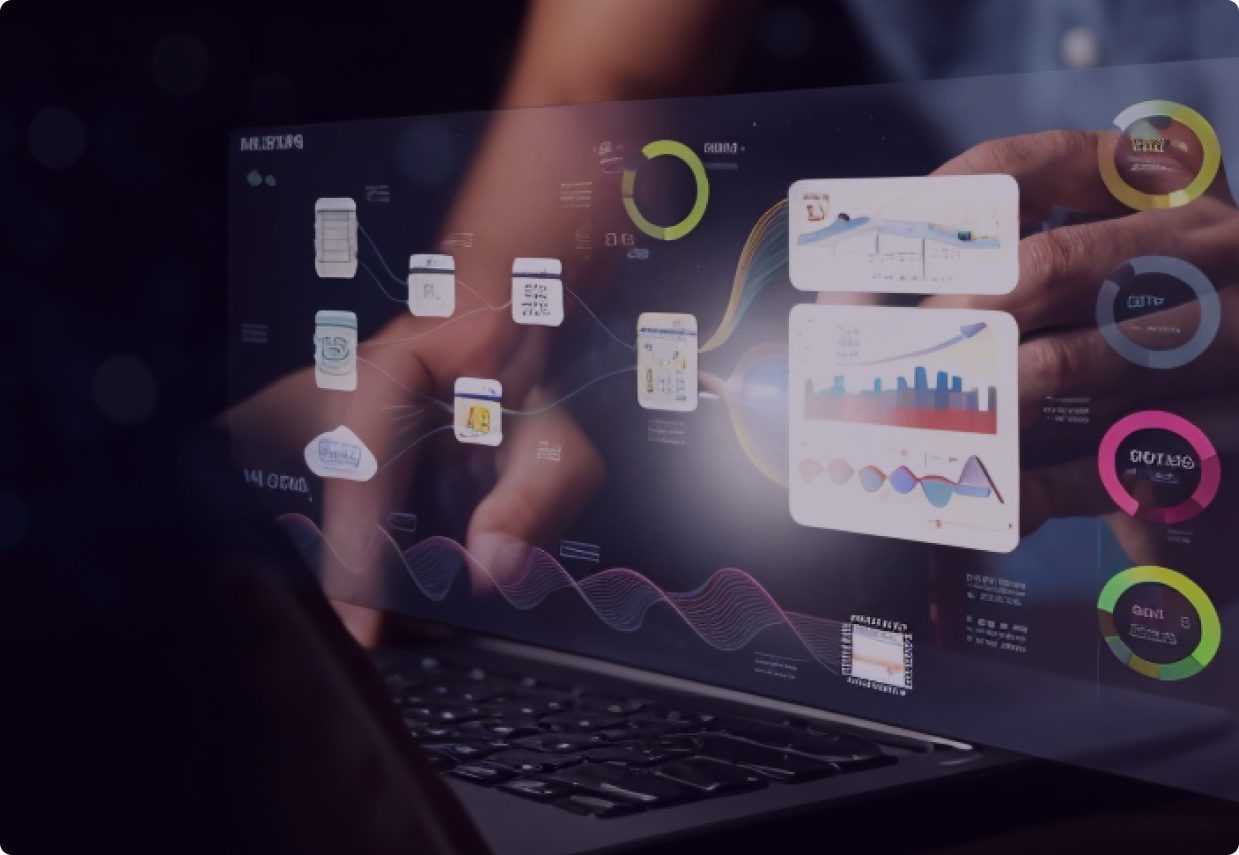
SEO is an ongoing process that requires consistent effort, but it yields long-term, highly effective results for your website. We use a range of advanced tools for SEO analysis and reporting to ensure our strategies are effective and data-driven.
Main Goals of SEO Work
1. Site Performance
Improve the performance of your site to its maximum potential, ensuring it loads quickly and efficiently.
2. Organic Traffic
Achieve first-page rankings in Google for specific, relevant keywords to attract more visitors to your website.
3. User Engagement
Foster high user engagement, which is essential for increasing conversion rates and lead generation. Engaged users can spread the word about your company, indirectly boosting organic traffic.
4. Conversion Rate
Ensure that your audience is relevant and converted into potential clients, maximizing the effectiveness of your traffic.
Key Tools for SEO Analysis and Optimization
Google Analytics & Google Search Console. Google Analytics helps analyze user behavior, traffic sources, and conversion data. Google Search Console provides direct insights into search queries, indexing status, and potential issues like crawl errors or security problems. Together, they give a comprehensive view of your website’s performance in search engines and with users.
GTmetrix, Google PageSpeed Insights, & Lighthouse. Page speed is crucial for both user experience and SEO rankings. These tools assess your website’s speed, performance, and mobile responsiveness. They identify elements slowing down your site—like large images or unoptimized code—and guide enhancements to improve loading times.
Screaming Frog SEO Spider & Netpeak Spider. These crawlers perform a deep audit of your website’s on-page SEO. They detect critical issues like broken links, duplicate content, missing metadata, and poor HTML structure. Fixing these ensures your site is optimized for search engines, improving rankings and user experience.
SEMrush & Ahrefs. For competitor analysis, keyword research, and backlink tracking, SEMrush and Ahrefs are indispensable. They offer insights into competitors’ rankings, help target high-value keywords, and improve your site’s domain authority through backlink analysis.
Manual Site Analysis. In addition to automated tools, we perform manual evaluations to assess site usability, navigation, and content relevance. This human perspective complements the data from our tools, giving us a complete understanding of your site’s strengths and areas for improvement.
Custom SEO Strategy
Based on the data we collect from these tools and an understanding of your budget and business goals, we create a technical plan and SEO strategy for a specific sprint (3-6 months), focusing on the most critical issues first, such as fixing technical errors or improving on-page optimization. We check competitors, research who is leading in Google organic search, and implement effective solutions. We also apply proven functionality and solutions from our other projects.
These tools and strategies allow us to conduct thorough analyses, generate actionable insights, and provide comprehensive reports that track your progress and demonstrate results. If you have questions about an SEO audit for your website or need expert advice, please contact us. The Bright Nation team is here to assist you with any SEO-related inquiries.
You Might Also Like
Design for a Multi-Generational Audience: Marketing Tips for Engaging Different Age Groups

Designing for a diverse audience requires understanding that each generation has unique preferences shaped by their experiences with technology, communication, and values. Tailoring your website or product to meet the needs of different generations can significantly enhance user engagement and satisfaction. In this article, we will explore essential design and marketing strategies for Baby Boomers, Generation X, Millennials, and Generation Z to help you create a multi-generational user experience.
Baby Boomers (born 1946–1964)
Baby Boomers grew up without digital technology, and while many have adapted to using it, they often prefer simplicity and clarity in their online experiences. They value personalized interactions, customer service, and trust traditional methods of communication.
Key design and marketing tips for Baby Boomers:
Simplified UI: Use a clean, intuitive interface that minimizes confusion. Simple navigation, clear buttons, and no clutter help them engage comfortably.
Readable Fonts: Larger font sizes and high-contrast color schemes ensure readability for those with vision impairments.
Accessible Features: Provide tools like voice navigation, screen readers, and zoom functions to cater to users with age-related impairments.
Traditional Marketing: Baby Boomers respond well to traditional communication channels such as email, newsletters, and direct phone support.
Loyalty Programs: Create customer loyalty incentives that highlight in-person shopping or product demos, which Baby Boomers prefer.
Experience-Oriented Content: Focus on services that promote lifestyle experiences rather than materialism.
Generation X (born 1965–1980)
Generation X grew up alongside the evolution of technology. They value independence and are comfortable with digital interfaces but still appreciate traditional high-quality customer service. Gen Xers are interested in family-oriented content and enjoy nostalgic experiences, and tend to be the most receptive to attractive offers and promotions.
Key design and marketing tips for Generation X:
Straightforward Design: Ensure a balance between modern aesthetics and usability. Avoid overly complex or flashy designs; simple, practical features are preferred.
Consistency: Incorporate well-established UI patterns like drop-down menus and recognizable icons.
Convenient Functions: Offer seamless online shopping experiences and mobile-friendly layouts for this group, who rely on online research before making purchases.
Promotions and Discounts: This generation responds well to email campaigns with discount offers, loyalty programs, and referral incentives.
Family-Centric Messaging: Generation X values family-oriented content, making campaigns that focus on family benefits or nostalgia particularly effective.
Millennials (born 1981–1996)
Millennials are the first generation to grow up with the internet and digital devices, making them highly tech-savvy. They value innovation, authenticity, transparency, and brands that are socially responsible. They grew up with the internet and are comfortable using multiple devices simultaneously.
Key design and marketing tips for Millennials:
Visually Engaging Design: Use modern aesthetics with interactive elements such as videos, infographics, and animations. Millennials enjoy fresh, engaging visuals.
Personalization: Incorporate features that allow users to customize their experiences, such as toggling between light and dark mode or personalized content recommendations.
Accessibility: Millennials appreciate inclusivity, so features like closed captions, screen readers, and language options are important.
Cause-Based Marketing: Millennials respond well to brands that support social causes. Highlight your company’s involvement in sustainability, diversity, or community initiatives.
Influencer Partnerships: This generation is highly influenced by peer recommendations and online reviews. Leverage user-generated content and influencer collaborations.
Multi-Channel Engagement: Reach them through social media, blogs, podcasts, and mobile apps to maintain an ongoing connection.
Generation Z (born 1997–2012)
Generation Z is the most digitally immersed generation, having grown up entirely in the era of smartphones and social media. These younger generations remain the most active internet users in the world, as nearly half of them are constantly online. They value instant access to content, authenticity, and interactive experiences.
Key design and marketing tips for Generation Z:
Mobile-First Design: Ensure your website or app is optimized for mobile devices since Gen Z spends most of their time on smartphones.
Interactive Elements: Gamification, microinteractions, and short, dynamic content (such as videos, memes or GIFs) can capture their attention.
Fast Loading Times: Gen Z values instant gratification, so a fast, responsive website is crucial to keep their interest.
Influencer and Social Media Marketing: Gen Z follows online trends and is highly influenced by social media personalities. Use platforms like TikTok, Instagram, and YouTube for short-form video content and authentic influencer partnerships.
Engage with Causes: They expect brands to be transparent and aligned with social, environmental, or political causes. Highlight your brand’s contributions to issues they care about.
Personalization and Customization: Let them control their experience with customizable features like personalized recommendations or avatar creation.
Generation Alpha (born 2013 and beyond)
Generation Alpha is growing up in a fully digital world, where technology is ingrained in their daily lives from a young age. They are expected to be even more tech-savvy than Generation Z, with a strong focus on interactive, visual content. This generation will likely have high expectations for seamless user experiences and digital fluency.
Key design and marketing tips for Generation Alpha:
Interactive interfaces: Use playful, colorful, and engaging designs that capture their attention. Interactive features, such as gamification and animation, can boost engagement.
Social Media Focus: Focus on multimedia content, particularly videos and interactive elements that encourage participation.
Personalization and Customization: Personalization will be critical, as Generation Alpha will expect the ability to customize their experience.
Brand contribution: Brands that integrate social, environmental, and educational values will resonate for them, influencing their preferences.
Universal Marketing Tips for All Generations
Although each generation has distinct preferences, there are certain principles that resonate with everyone:
Simplicity is Key: Regardless of the target generation, a clean, intuitive user interface is universally appreciated. Focus on balancing simplicity and engagement in your design.
Accessibility Matters: Making your product accessible benefits all users. Features like high contrast, larger font options, and compatibility with screen readers enhance usability for all age groups.
Personalization: Providing users with options to customize their experience—whether through dark mode, language options, or useful content recommendations—makes your site feel more inclusive and user-friendly.
Transparency and Honesty: Transparency is key across all generations. Being upfront about your brand’s values, practices, and offerings builds trust, while user reviews and testimonials further reinforce credibility and authenticity.
Final Thoughts: Designing for Generational Diversity
By understanding and applying design and marketing principles tailored to different age groups, businesses can create inclusive, engaging digital experiences. The key is to combine generational insights with universal usability best practices, ensuring that users of all ages can interact with your product comfortably. Whether you’re targeting Baby Boomers, Millennials, or Gen Z, striking the right balance between technology, accessibility, and personalization will lead to a more successful, user-friendly design.
If you need help designing for a multi-generational audience, reach out to us at Bright Nation—we’re here to create bright solutions that resonate with all users!
You Might Also Like
Benefits of Customer Reviews: A Simple Way to Increase Your Sales

Customer reviews play a crucial role in influencing buying decisions. Research shows that 90% of consumers read online reviews before making a purchase. Whether checking Google reviews, Yelp ratings, Reddit comments, or social media, potential buyers heavily rely on the opinions of others about a product or service.
However, reviews aren’t just beneficial for customers; businesses can also gain valuable insights from this feedback, enabling them to improve products and services and enhance customer satisfaction.
Assessing Product and Service Quality
Customer reviews serve as a vital quality check for your products or services. They reveal what customers love and what needs improvement. For instance, positive reviews can increase customer spending by up to 31%. By paying attention to feedback, businesses can address weaknesses and build on strengths.
Understanding Customer Needs
Customer reviews provide direct insights into what your audience wants. By analyzing common themes in reviews, businesses can make adjustments to their offerings. This might include adding new features, adjusting pricing, or improving customer service.
Encouraging Customer Loyalty
When customers see that their opinions matter and are valued, they are more likely to remain loyal to your brand. Engaging with reviewers—whether through thank-you notes for positive feedback or addressing concerns from negative reviews—fosters a sense of community and encourages repeat business.
Competitive Analysis
Reviews not only highlight your performance but also that of your competitors. By studying customer feedback, you can identify what your competitors do well and where they fall short. This information helps you refine your strategies to differentiate your business and improve your market position.
Managing Brand Reputation
In our connected world, a company’s reputation can be its greatest asset or biggest liability. According to studies, 70% of consumers say positive reviews increase their trust in a company. Conversely, negative reviews can deter potential customers. Actively monitoring feedback and responding to reviews shows that you value customer opinions. Addressing negative comments promptly can help mitigate damage to your reputation.
Enhancing Your SEO Strategy
Customer reviews are essential for effective search engine optimization (SEO). They can improve your website’s visibility on search engines. Adding a review section to your website—whether it includes text reviews or social media ratings—can drive organic traffic. Studies show that businesses with reviews rank higher in search results, making it easier for potential customers to find you.
Building Trust and Credibility
Customer reviews act as social proof, showing potential buyers that others have had positive experiences with your brand. This can significantly influence their purchasing decisions. A survey by BrightLocal found that 82% of consumers specifically look for reviews on products before making a decision, underscoring the importance of having a steady flow of positive feedback.
The Best Ways to Ask Customers to Give Reviews
Building a robust review system starts with encouraging customers to share their feedback. Here are some effective ways to ask for reviews:
Timing: Request a review shortly after a positive interaction, such as a completed purchase or service provided. A follow-up email thanking customers for their business and asking for their opinion can prompt reviews.
Simplify the Process: Make it easy for customers to leave reviews by providing direct links or QR codes that lead them to review platforms. The easier it is, the more likely customers will share their thoughts.
Incentives: Consider offering small incentives, such as discounts or exclusive offers, in exchange for reviews. However, ensure this practice is transparent and doesn’t compromise credibility or violate review guidelines.
Make it Personal: Personalized requests for reviews can be more effective. Instead of a generic message, address customers by name and reference their specific purchase or interaction to make them feel valued.
Use Multiple Channels: Ask for reviews through various channels, such as email, social media, and even messengers. The more touchpoints you create, the more opportunities you have to gather feedback.
Customer reviews are a primary source of information that can help businesses enhance their offerings and increase sales. In today’s competitive market, listening to customer feedback is key for achieving success.
You Might Also Like